10 Graffiti Pieces That Became Legal Landmarks
How unauthorized street art gained protection through landmark status, legal victories, and cultural recognition
When people think about legal protection for art, they usually picture museum collections or private galleries. But some of the world’s most significant legal precedents for artistic protection have emerged from spray cans and stencils on city walls. From Cold War monuments to million-dollar court victories, these graffiti pieces didn’t just change neighborhoods—they changed how legal systems view street art itself.
The journey from illegal vandalism to protected landmark status reveals a complex evolution in how societies value public expression. These ten cases demonstrate how graffiti gained legal recognition through heritage designation, court rulings, government programs, and community advocacy, creating precedents that continue shaping street art policy worldwide.
Why Graffiti Becomes Legally Protected
Understanding how unauthorized art gains legal status requires looking beyond simple property laws. Cultural significance, historical context, and community value all play roles in determining whether spray-painted walls deserve the same protections as traditional monuments.
Legal recognition typically comes through several pathways: heritage designation protects works deemed culturally significant, artist rights legislation safeguards creators even for temporary works, government programming legitimizes previously illegal spaces, and court decisions establish precedents for artistic expression on public surfaces.
Most importantly, these legal victories often stem from community mobilization and advocacy rather than top-down institutional decisions, reflecting grassroots recognition of street art’s cultural importance.
When planning your own community art initiatives, understanding these legal frameworks becomes crucial for creating sustainable programs that protect both artists and property owners.
Berlin Wall East Side Gallery – Berlin, Germany

What gained protection — Post-reunification monument status: After the Berlin Wall fell on November 9, 1989, 118 artists from 21 countries began painting the East Side Gallery, which officially opened as an open-air gallery on September 28, 1990, and received protected memorial status just over a year later. The city of Berlin added the East Side Gallery to its monument register in November 1991.
Legal significance — Heritage protection for contemporary street art: The gallery has official status as a Denkmal, or heritage-protected landmark, marking one of the first times government authorities granted monument status to recently created graffiti. This established precedent for protecting contemporary street art based on historical significance rather than artistic age.
The precedent — Government recognition of graffiti’s cultural value: The designation acknowledged that unauthorized artistic expression could qualify for the same legal protections traditionally reserved for centuries-old monuments. Due to graffiti and weather damage, extensive restoration work was carried out in 2008/2009 to ensure long-term preservation of the artwork.
Takeaway — Historical context can legitimize illegal art: The East Side Gallery succeeded because the political moment created space for artistic expression that would normally be considered vandalism. When graffiti documents significant historical events or social transitions, legal systems may recognize its cultural importance over property concerns.
Banksy’s “Girl With Balloon” – Various Locations
.jpg)
What gained protection — Copyright enforcement despite anonymity: Pest Control enforced Banksy’s copyright and authentication of works like Girl with Balloon and Flower Thrower to stop unauthorized merchandising, as well as the use of Banksy imagery in promotional material. This created a unique legal framework where anonymous street art gained intellectual property protection.
Legal significance — Anonymous artist rights: Despite Banksy’s hidden identity, the partially shredded work has been given a new title, Love is in the Bin, and was authenticated by Banksy’s authentication body Pest Control. Early print editions of Banksy’s Girl with Balloon have appreciated significantly in value, while the shredded artwork ‘Love is in the Bin’ sold at auction for $25.4 million, creating precedents for how authenticated, anonymous street art enters legitimate art markets.
The precedent — Intellectual property without identity revelation: The Girl with Balloon cases established that street artists can maintain copyright and trademark protection while preserving anonymity, changing how legal systems approach unauthorized public art with commercial value.
Takeaway — Authentication systems can legitimize street art: Professional authentication bodies like Pest Control create legal frameworks that allow unauthorized art to gain market protection and copyright enforcement without requiring artists to reveal identities or face prosecution.
5Pointz Murals – Queens, NYC
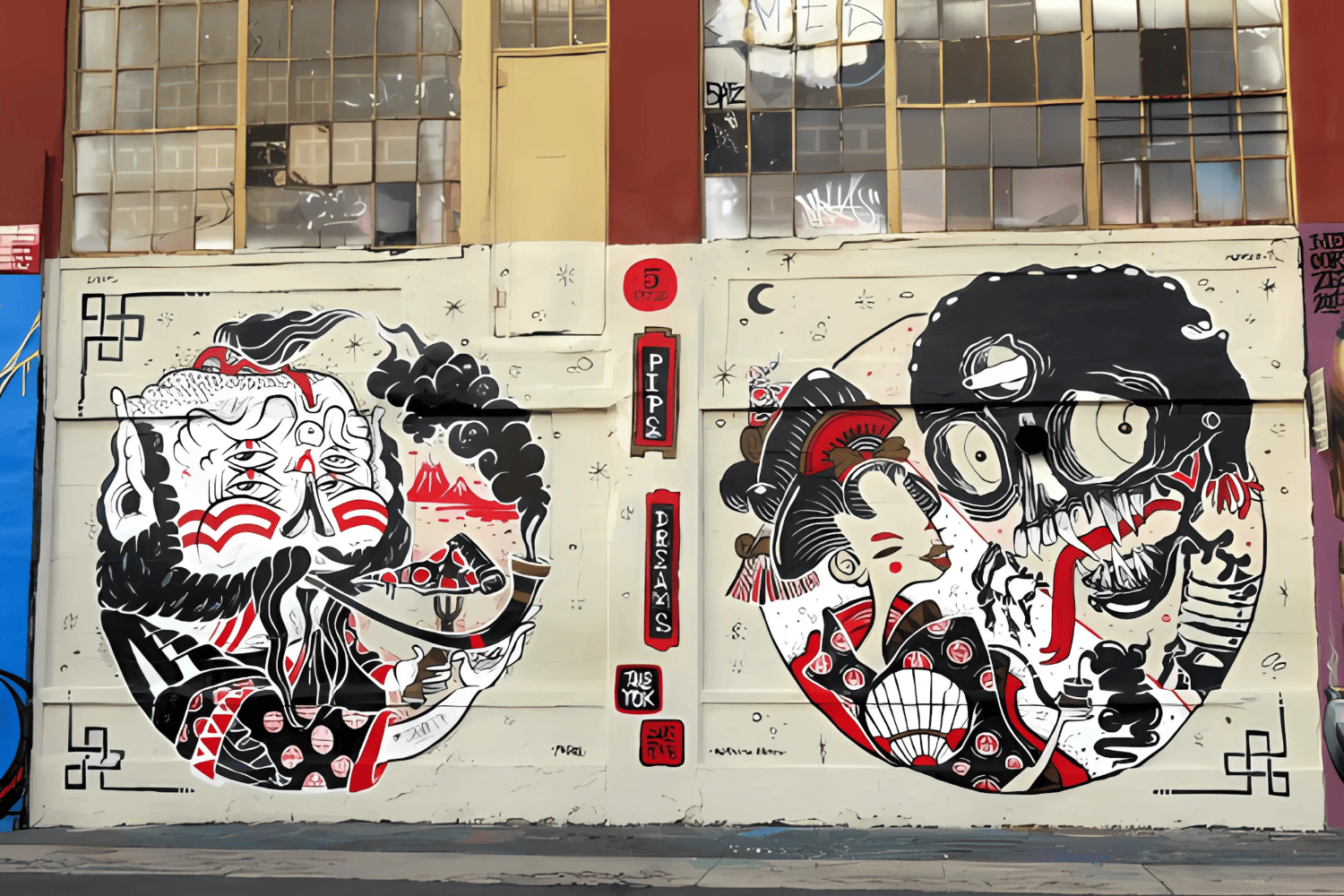
What gained protection — Artist rights through VARA legislation: Wolkoff was approached in the 1990s for permission for the factory to be used for legal graffiti work, which he granted, with the site first established as the Phun Phactory in 1993. When the building was demolished in 2013, 21 graffiti artists—dubbed “aerosol artists” in court—successfully sued for damages.
Legal significance — Visual Artists Rights Act applied to graffiti: A jury found that a New York City real estate developer broke the law when he tore down the complex. The artists cited the VARA law, which protects copyright and personality rights, and won $6.7 million in damages. A US Appeals Court affirmed the rights and monetary damages awarded to the group of graffiti artists whose works were destroyed without warning or consent in 2013.
The precedent — Federal protection for temporary graffiti: The 5Pointz decision established that graffiti artists have legal rights under federal legislation, even for temporary works on private property, when property owners have previously granted permission for artistic creation.
Takeaway — Permission creates legal obligations: Once property owners explicitly allow graffiti creation, they assume legal responsibilities toward the artists and cannot arbitrarily destroy works without following proper notification procedures required by federal law.
Wynwood Walls – Miami, USA

What gained protection — Zoning and business district designation: Miami’s Wynwood Walls gained legal recognition through zoning changes that designated the area as a mixed-use arts district, legitimizing previously unauthorized graffiti through government-sanctioned programming and business improvement district status.
Legal significance — Municipal legitimization of illegal art: The city government’s embrace of Wynwood’s graffiti culture through official arts district designation created a legal framework where previously illegal street art became a cornerstone of economic development policy and tourism marketing.
The precedent — Government appropriation of street art culture: Wynwood demonstrated how municipalities can legally appropriate underground graffiti movements, transforming them into sanctioned cultural programming while raising questions about who benefits from this legitimization process.
Takeaway — Official recognition changes legal status: When government authorities embrace street art for economic development, previously illegal works can gain retroactive legitimacy through zoning changes and business district designations, though this often accompanies gentrification pressures.
“I Believe in Nashville” Mural – Nashville, USA
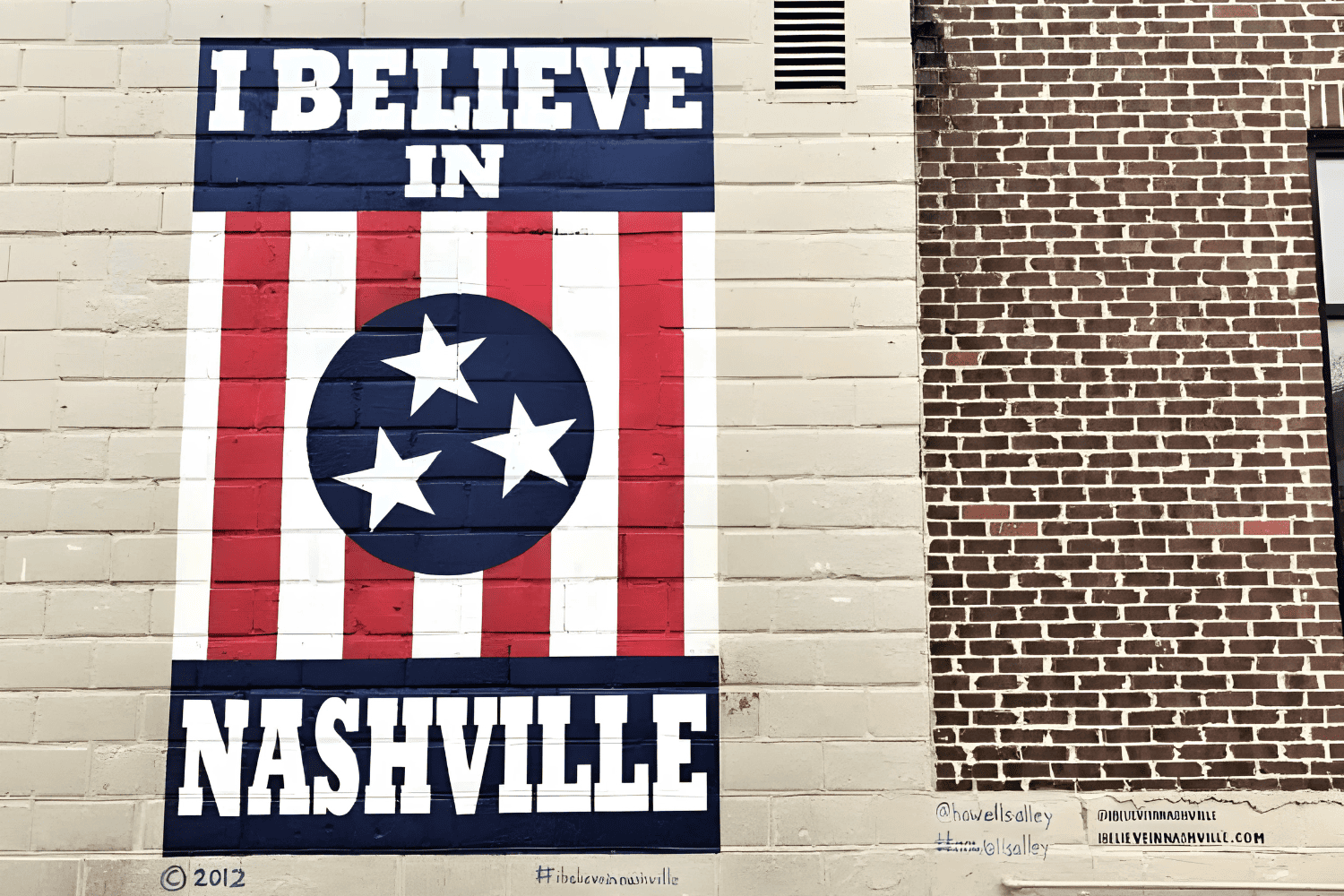
What gained protection — Community ownership and restoration funding: Adrien Saporiti’s iconic “I Believe in Nashville” mural gained protection through community advocacy that secured restoration funding and official city recognition, demonstrating how local pride can translate into legal preservation efforts.
Legal significance — Community advocacy creating preservation rights: The mural’s protection emerged from grassroots organizing rather than top-down designation, showing how community mobilization can create legal frameworks for protecting unauthorized art that becomes culturally significant.
The precedent — Popular support influencing legal status: The Nashville case established that community attachment to unauthorized art can generate sufficient political pressure to create legal protections, even when original creation violated property laws.
Takeaway — Cultural significance can override property rights: When unauthorized art becomes deeply connected to community identity, legal systems may prioritize cultural preservation over strict property law enforcement, especially with organized advocacy efforts.
Hosier Lane – Melbourne, Australia

What gained protection — Designated legal graffiti space: Melbourne’s Hosier Lane operates under city council designation as a legal graffiti zone where artists can create works without prosecution, representing a harm reduction approach to street art management that provides legal space for artistic expression.
Legal significance — Sanctioned lawlessness within defined boundaries: The lane creates a legal paradox where activities typically considered vandalism become explicitly permitted within specific geographic boundaries, establishing precedent for contained legalization of street art.
The precedent — Geographic exceptions to graffiti laws: Hosier Lane demonstrates how cities can create legal exceptions to anti-graffiti ordinances through designated zones, providing artists legal protection while maintaining restrictions elsewhere.
Takeaway — Contained legalization manages competing interests: Designated legal graffiti spaces allow cities to support artistic expression while maintaining property protections in other areas, creating sustainable frameworks for street art management.
Mission District Murals – San Francisco, USA

What gained protection — Historic district designation and cultural preservation: Selected murals in San Francisco’s Mission District gained legal protection through historic preservation designations recognizing works of cultural and artistic significance as eligible for conservation funding and regulatory protection.
Legal significance — Cultural identity as legal protection basis: The murals’ protection stems from their role in preserving and expressing Latino cultural identity, establishing precedent for protecting unauthorized art based on cultural heritage rather than artistic merit alone.
The precedent — Ethnic cultural expression gaining legal status: The Mission District cases demonstrate how unauthorized art expressing marginalized community identity can gain legal protections through civil rights and cultural preservation frameworks.
Takeaway — Cultural significance creates legal pathways: Communities can secure protection for unauthorized art by documenting its role in cultural identity and heritage preservation, accessing legal frameworks designed to protect minority cultural expression.
StreetARToronto Program – Toronto, Canada

What gained protection — Municipal graffiti management program: Toronto’s StreetARToronto program represents comprehensive municipal policy that provides legal pathways for mural and public art creation through permits, designated walls, and official programming, while unauthorized graffiti remains subject to removal and fines.
Legal significance — Proactive legal framework for street art: Rather than reactive enforcement, Toronto created proactive legal structures that channel street art energy into sanctioned programming, reducing illegal graffiti through legitimate alternatives.
The precedent — Comprehensive municipal street art policy: StreetARToronto established precedent for cities creating complete legal frameworks that address street art through programming, permits, and designated spaces rather than enforcement alone.
Takeaway — Proactive programming reduces illegal activity: Cities can reduce unauthorized graffiti by providing legal alternatives through official programming, permits, and designated spaces that meet artists’ needs for public expression.
See No Evil Project – Bristol, UK

What gained protection — Festival-based legitimization model: Bristol’s See No Evil project was a major street art festival held in 2011 and once more in 2012 that temporarily legitimized street art creation on private buildings, creating time-limited legal frameworks where property owners consented to graffiti for cultural programming.
Legal significance — Temporary consent models for public art: The festival creates legal structures where private property owners can temporarily waive anti-graffiti restrictions for artistic purposes, establishing precedent for event-based street art programming.
The precedent — Event-based legal frameworks: See No Evil demonstrates how temporary events can create legal spaces for otherwise unauthorized art, providing models for cities seeking to support street art without permanent policy changes.
Takeaway — Festival formats provide legal flexibility: Temporary events offer legal pathways for street art programming that don’t require permanent policy changes, allowing cities to experiment with legitimizing unauthorized art through time-limited consent frameworks.
Adelaide Legal Graffiti Walls – Adelaide, Australia
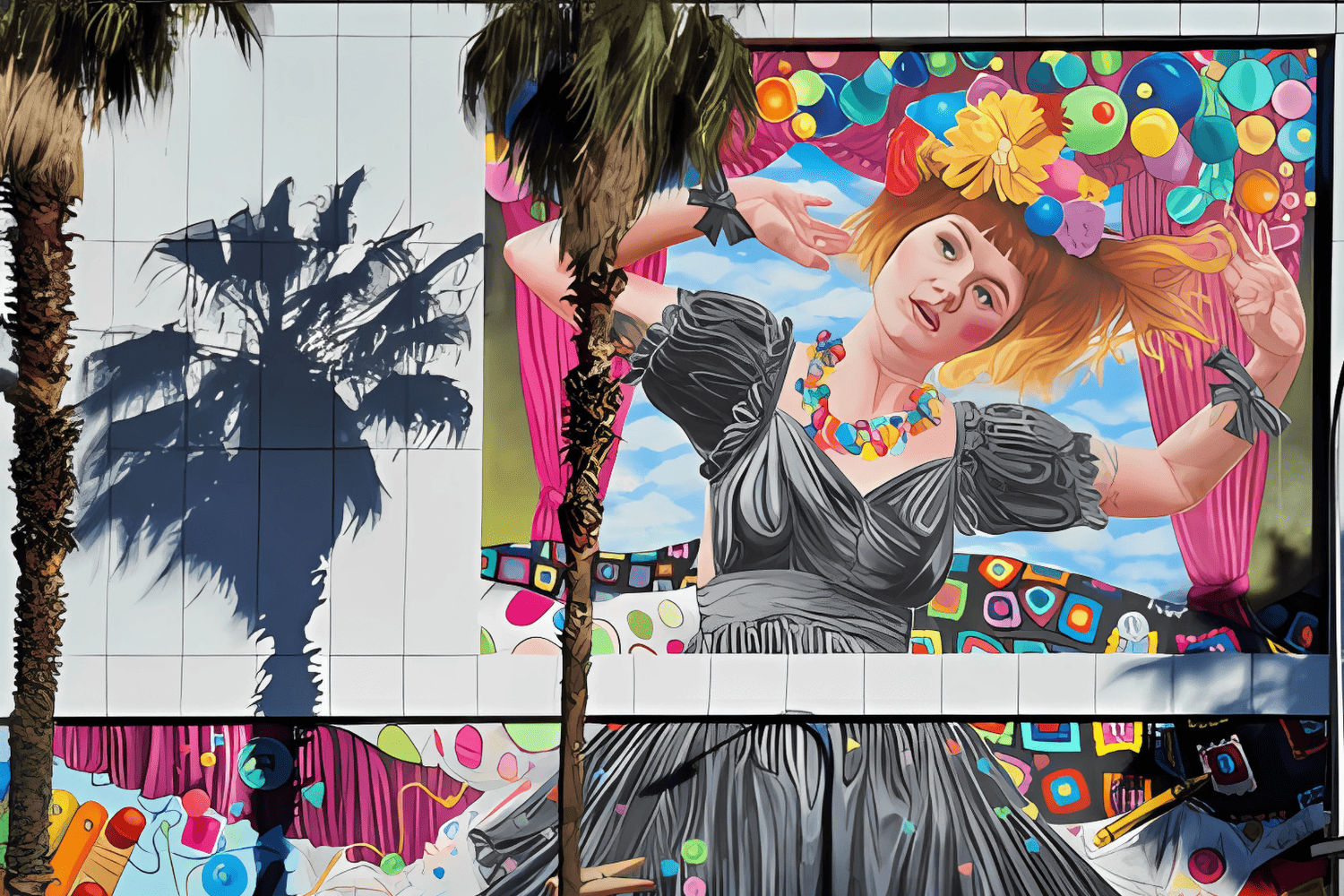
What gained protection — Permanent designated graffiti infrastructure: Adelaide’s legal graffiti walls are designated public areas where street art is permitted; artwork created outside these areas remains subject to regulation and possible removal.
Legal significance — Public infrastructure for street art: By creating permanent legal graffiti infrastructure, Adelaide established precedent for treating street art as legitimate public amenity deserving government investment and maintenance.
The precedent — Municipal investment in graffiti infrastructure: Adelaide demonstrated how cities can move beyond tolerance to active support for street art through dedicated public infrastructure and maintenance funding.
Takeaway — Infrastructure investment creates lasting legitimacy: Cities that invest in permanent legal graffiti infrastructure create sustainable frameworks for street art that go beyond temporary programming to lasting policy commitment.
The Legal Evolution of Street Art
These ten landmarks demonstrate that graffiti’s legal recognition follows several key pathways: historical significance can override property concerns when art documents important social moments, community advocacy creates political pressure for protection, economic value generates legal frameworks for market participation, and government programming provides legitimate alternatives to unauthorized expression.
Whether it’s federal court victories protecting artist rights, municipal programming creating legal alternatives, or heritage designation recognizing cultural significance, these cases show how unauthorized art can gain legal status through various institutional pathways.
For communities considering street art initiatives, understanding these legal precedents provides roadmaps for creating sustainable programs that protect artistic expression while respecting property rights.
How to Advocate for Legal Graffiti Protection (5 Steps)
1. Document Cultural Significance
Research and record the artistic work’s role in community identity, historical documentation, or cultural expression. Create visual documentation, gather community testimonials, and compile evidence of the work’s importance to neighborhood character and local heritage.
2. Build Community Support
Organize residents, local businesses, and cultural organizations around preservation efforts. Host community meetings, create petition drives, and demonstrate broad-based support for protecting the artistic work through organized advocacy campaigns.
3. Identify Legal Pathways
Research applicable legal frameworks including heritage designation processes, artist rights legislation, zoning regulations, and municipal cultural policies. Consult with legal professionals familiar with intellectual property, cultural preservation, or municipal law.
4. Engage Government Officials
Present compelling cases to city council members, mayors, cultural affairs departments, and relevant municipal agencies. Prepare professional presentations documenting community support, cultural significance, and legal precedents supporting protection.
5. Develop Sustainable Framework
Work with officials to create ongoing legal structures including maintenance funding, community management protocols, and clear guidelines for future artistic additions or modifications that preserve the work while allowing cultural evolution.
Understanding successful legal advocacy requires both grassroots organizing and institutional navigation. Whether seeking heritage designation, artist rights protection, or municipal programming support, effective advocacy combines community mobilization with strategic legal action.
Frequently Asked Questions About Legal Graffiti Protection and Street Art Rights
Can anonymous artists claim legal protection for their street art?
Yes, as demonstrated by Banksy’s successful copyright enforcement through authentication bodies like Pest Control. Anonymous graffiti artists can maintain anonymity while still protecting intellectual property rights through professional intermediaries and authentication systems, creating precedents for anonymous street art copyright protection.
Do property owners have legal obligations to graffiti artists?
When property owners explicitly grant permission for artistic creation, they assume legal responsibilities under legislation like the Visual Artists Rights Act (VARA). However, unauthorized graffiti on private property generally doesn’t create legal obligations for property owners. The 5Pointz case established important precedents for property owner obligations when permission has been granted.
How long does legal protection last for protected street art?
Protection duration varies by legal framework used. Heritage designations can provide permanent status for historically significant graffiti, while artist rights typically last for the creator’s lifetime plus additional years. Municipal programming for legal graffiti zones depends on ongoing political support and budget allocation.
What’s the difference between legal graffiti zones and heritage protection for street art?
Legal graffiti zones provide ongoing permission for new artistic creation within designated areas, while heritage protection preserves specific existing works deemed culturally significant. Both create legal frameworks supporting street art but through different mechanisms and with different long-term implications for community development and artist rights.
Check out top-rated local artists near you!
Are you an artist ? Sign Up